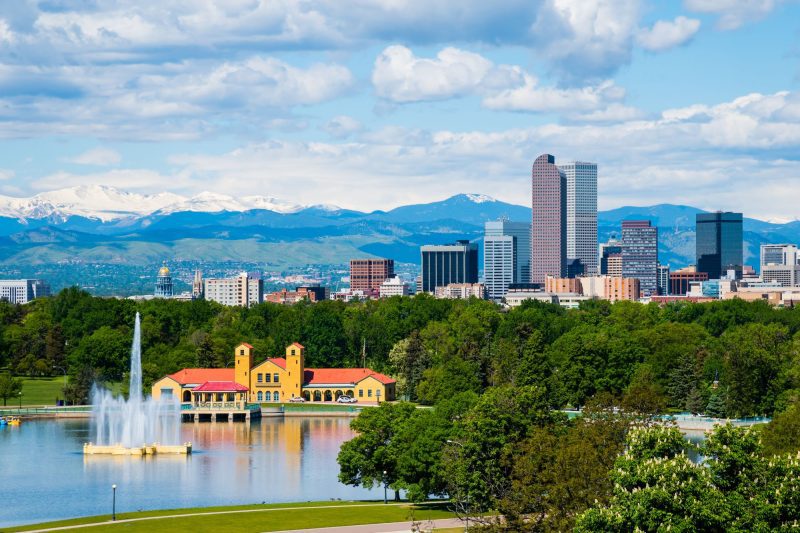
Moving to Denver is an exciting adventure, but life at a mile above sea level comes with a few adjustments! From adapting to the altitude and staying hydrated to preparing for Colorado’s ever-changing weather, understanding what to expect can make your transition much smoother. Whether you’re relocating for work, outdoor recreation, or a fresh start, these practical tips will help you settle into the Mile High City with confidence and enjoy everything Denver’s unique climate and lifestyle have to offer.
Give Your Body Time to Adjust

Moving to Denver means living at 5,280 feet above sea level, where the air contains less oxygen than at lower elevations. Even if you’re healthy and active, your body needs time to adapt to the altitude. During your first few days, it’s common to experience mild headaches, fatigue, dizziness, shortness of breath, or trouble sleeping. These symptoms are usually temporary and improve as your body acclimates. To make the transition easier, avoid pushing yourself too hard during your first week. If you’re eager to explore Denver’s hiking trails or hit the slopes, start with easier activities before tackling more strenuous adventures. Drinking plenty of water, eating balanced meals, limiting alcohol, and getting adequate rest can all help your body adjust more comfortably. While most newcomers acclimate within a few days to two weeks, listening to your body is the best way to enjoy a safe and healthy start to life at the Mile High City.
PRO Tip: If you have a pre-existing heart or lung condition, consider talking with your healthcare provider before making the move.
Hydration Is Essential

One of the biggest adjustments for new Denver residents is staying properly hydrated. Between the city’s high elevation and naturally dry climate, your body loses water much faster than it would at lower altitudes. Even if you don’t feel especially thirsty, dehydration can sneak up on you and contribute to headaches, fatigue, dry skin, and other symptoms often mistaken for altitude sickness. Make it a habit to carry a reusable water bottle throughout the day and sip water consistently rather than waiting until you’re thirsty. Coffee and alcoholic beverages can contribute to dehydration, so balancing them with extra water is especially important during your first few weeks in Denver. Inside your home, the dry air can also take a toll, making a humidifier a worthwhile investment during the winter months. Developing good hydration habits early will help you feel better, recover faster after exercise, and fully enjoy everything Colorado’s active outdoor lifestyle has to offer.
PRO Tip: If you’re spending time hiking, skiing, biking, or enjoying other outdoor activities, increase your fluid intake even more and consider replenishing electrolytes after extended exercise.
Expect More Intense Sunshine
One of the biggest surprises for newcomers is just how powerful the sun feels in Denver. At an elevation of 5,280 feet, the atmosphere is thinner, allowing more ultraviolet (UV) radiation to reach your skin than at lower elevations. As a result, you can get sunburned much faster, even on cool, cloudy, or snowy days. Wearing a broad-spectrum sunscreen with at least SPF 30 should become part of your daily routine, whether you’re hiking in the mountains or simply walking the dog around the neighborhood. Don’t forget often-overlooked areas like your ears, neck, and the tops of your feet if you’re wearing sandals. Sunglasses with UV protection are equally important, as the sun’s rays can be especially intense when reflected off snow during the winter. A wide-brimmed hat and SPF lip balm can also help protect exposed skin. By taking a few simple precautions, you’ll be able to enjoy Denver’s abundant sunshine while reducing your risk of painful sunburns and long-term skin damage.
PRO Tip: If you’re spending extended time outdoors, reapply sunscreen every two hours or after sweating.
The Dry Climate Takes Some Getting Used To

Denver’s low humidity is one of the first things many newcomers notice. While the dry air often means fewer muggy summer days, it can also leave your skin, lips, eyes, and nasal passages feeling noticeably drier than you’re used to. Chapped lips, itchy skin, nosebleeds, and irritated eyes are all common during your first few weeks at high altitude. Fortunately, a few simple habits can make a big difference. Apply a quality moisturizer after showering, keep lip balm within reach, and use lubricating eye drops if your eyes feel dry. Many residents also find that running a humidifier at home during the winter helps restore moisture to the air and improves overall comfort while sleeping. Staying well-hydrated also supports healthy skin and helps reduce many of the effects of Denver’s arid climate. Even your houseplants may require more frequent watering than they did at lower elevations. Once you adjust your daily routine, the dry climate becomes much easier to manage, allowing you to enjoy Denver’s sunny weather without the constant discomfort of dry air.
PRO Tip: Keep travel-size lotion, SPF lip balm, and a reusable water bottle in your bag or car so you’re always prepared to combat Denver’s dry air, whether you’re commuting, hiking, or running errands.
Exercise Feels Harder at First

If your usual workout suddenly feels much more challenging after moving to Denver, you’re not imagining it. The city’s high elevation means there’s less oxygen available with every breath, so activities like running, cycling, hiking, and even climbing stairs can leave you winded more quickly than you’re accustomed to. Even experienced athletes often notice a temporary drop in endurance during their first several days or weeks. Rather than trying to maintain your normal pace, give your body time to acclimate by reducing the intensity and duration of your workouts. Take frequent breaks, stay hydrated, and pay attention to how you’re feeling, especially if you experience dizziness or unusual fatigue. As your body adapts to the altitude, you’ll gradually regain your stamina and may even notice improved endurance when exercising at lower elevations later on. The key is to be patient and allow your body to adjust naturally instead of pushing through discomfort too quickly.
PRO Tip: Start with easier walks or hikes around Denver before tackling challenging mountain trails or high-elevation adventures in the Rockies.
Weather Can Change Quickly
Denver is famous for its unpredictable weather, and new residents quickly learn the importance of being prepared for changing conditions. It’s not uncommon to wake up to sunshine, experience a passing afternoon thunderstorm, and end the day with cool temperatures and clear skies. During the spring and fall, dramatic temperature swings of 30 degrees or more can happen within a single day, while winter storms can arrive quickly before giving way to bright sunshine the next morning. Dressing in layers is the easiest way to stay comfortable, allowing you to add or remove clothing as temperatures fluctuate throughout the day. Keeping a lightweight jacket, umbrella, and an extra pair of shoes in your car can also save you from unexpected weather surprises. Before heading into the mountains, always check the forecast, as conditions can differ significantly from those in Denver and change rapidly with elevation.
PRO Tip: Make checking the daily forecast part of your morning routine, and always keep a light jacket in your car or bag, no matter how sunny the day begins.
Winter Doesn’t Feel as Cold as You Might Expect
Many newcomers are surprised to discover that Denver’s winters often feel more comfortable than those in other parts of the country with similar temperatures. Thanks to the city’s low humidity and abundant sunshine, cold days are frequently bright and pleasant, making it easier to enjoy outdoor activities year-round. Snowstorms certainly happen, but Denver averages more than 300 days of sunshine annually, so snow often melts within a day or two on sidewalks, streets, and south-facing yards. However, don’t let the sunshine fool you into underestimating winter conditions. Early mornings and evenings can still be bitterly cold, and icy patches may linger in shaded areas even after the snow has disappeared. Dressing in layers allows you to stay comfortable as temperatures fluctuate throughout the day, and waterproof boots are invaluable during snowy weather. If you’re planning mountain adventures, remember that conditions in the Rockies are often much colder and snowier than in the city.
PRO Tip: Keep a warm jacket, gloves, ice scraper, and emergency blanket in your vehicle so you’re prepared for sudden winter weather wherever your day takes you.
Outdoor Recreation Becomes Part of Everyday Life
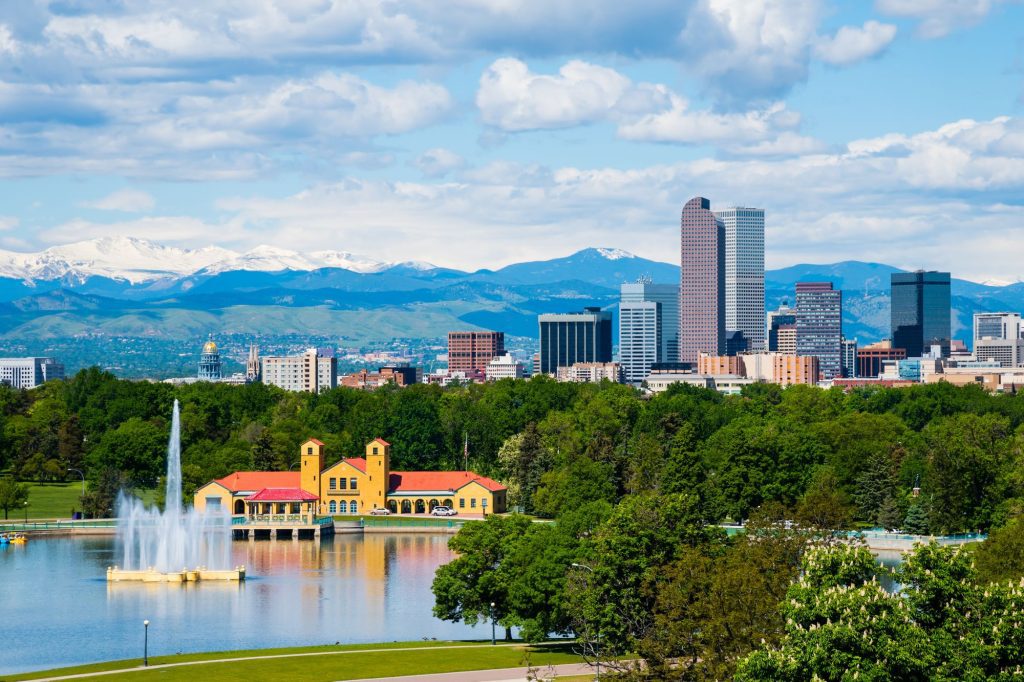
One of the greatest benefits of living in Denver is having world-class outdoor recreation practically in your backyard. Whether you enjoy hiking, mountain biking, skiing, snowboarding, trail running, rock climbing, kayaking, or simply taking scenic walks, you’ll find endless opportunities to get outside throughout the year. Many residents make outdoor adventures a regular part of their weekly routine, taking advantage of nearby parks, open spaces, and mountain trails after work or on weekends. Even if you’ve never considered yourself an outdoorsy person, Denver’s active lifestyle can be contagious. It’s easy to discover new hobbies through local clubs, guided excursions, and community events that welcome beginners. Before heading into the mountains, be sure to research trail conditions, weather forecasts, and elevation changes so you’re prepared for the day’s adventure. As your confidence grows, you’ll quickly understand why Colorado residents are so passionate about spending time outdoors.
PRO Tip: Start by exploring Denver’s city parks and nearby foothill trails before working your way up to longer hikes and higher-elevation adventures in the Rocky Mountains.
Your Car Needs a Little Extra Attention
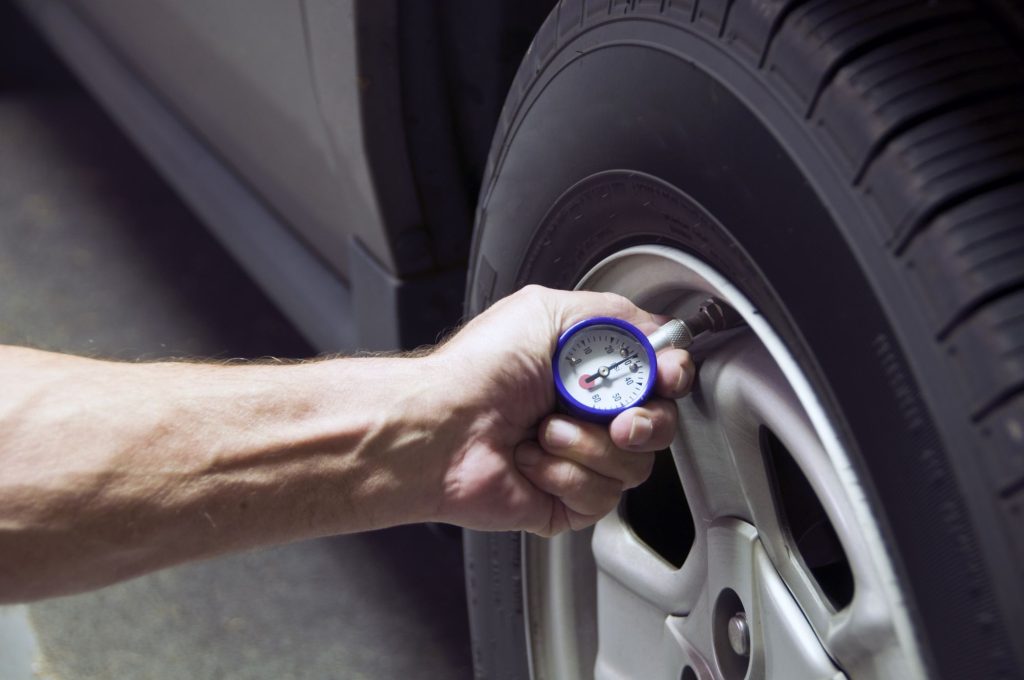
Living in Denver means your vehicle will experience a variety of weather and driving conditions throughout the year, from sunny commutes to snowy mountain roads. The combination of intense UV rays, rapid temperature changes, hailstorms, and winter snow can take a toll on your car if you’re not proactive with maintenance. Regularly checking your tire pressure is especially important, as fluctuating temperatures can cause tire pressure to rise and fall quickly. If you plan to drive into the mountains during the winter, make sure your tires have adequate tread and consider switching to winter tires for added traction. Keep your windshield washer fluid topped off, replace worn wiper blades before snow season, and always carry an ice scraper and snow brush in your vehicle. It’s also smart to keep an emergency kit with a flashlight, phone charger, blankets, water, and basic first-aid supplies. Staying ahead of routine maintenance helps ensure your vehicle is ready for Colorado’s changing conditions.
PRO Tip: Never head into the mountains during winter without checking road conditions and traction laws before you leave.
Wildfire Smoke and Air Quality Can Vary
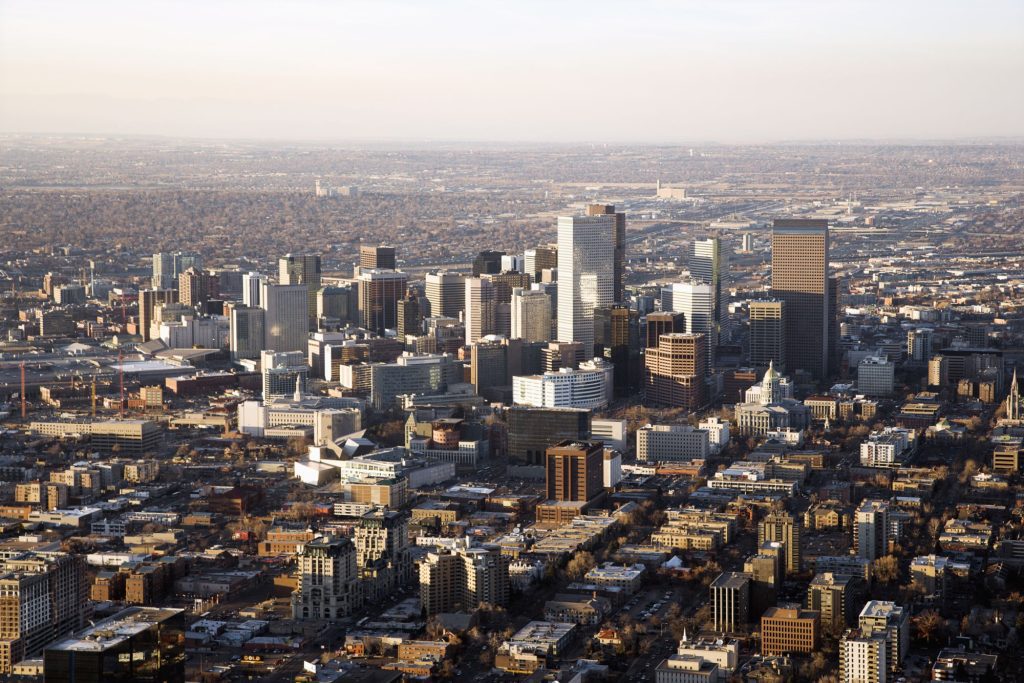
While Denver enjoys many days of clear blue skies, new residents should be aware that air quality can change during wildfire season. Smoke from wildfires in Colorado and neighboring states can drift into the Denver metro area, creating hazy conditions and reducing air quality for several days at a time. Even fires located hundreds of miles away can affect visibility and make outdoor activities less enjoyable. People with asthma, allergies, or other respiratory conditions may notice symptoms sooner, but even healthy individuals can experience eye irritation, coughing, or shortness of breath during periods of heavy smoke. Fortunately, it’s easy to stay informed by checking the daily Air Quality Index (AQI) before heading outside. On days with poor air quality, consider moving workouts indoors, limiting prolonged outdoor activity, and keeping windows closed to reduce smoke inside your home. An air purifier with a HEPA filter can also help improve indoor air quality during smoky periods.
PRO Tip: Download a reliable weather or air quality app so you can quickly check AQI levels before planning hikes, bike rides, or other outdoor adventures.
Live Higher, Explore Farther, and Love Denver
Adjusting to life in Denver takes a little time, but the rewards are well worth it! By staying hydrated, easing into the altitude, preparing for changing weather, and embracing Colorado’s outdoor lifestyle, you’ll feel at home before you know it. Every season brings new adventures and opportunities to explore! With these practical tips in mind, you’ll be ready to enjoy everything the Mile High City has to offer while making the most of your exciting new Colorado lifestyle. Welcome to Denver!