


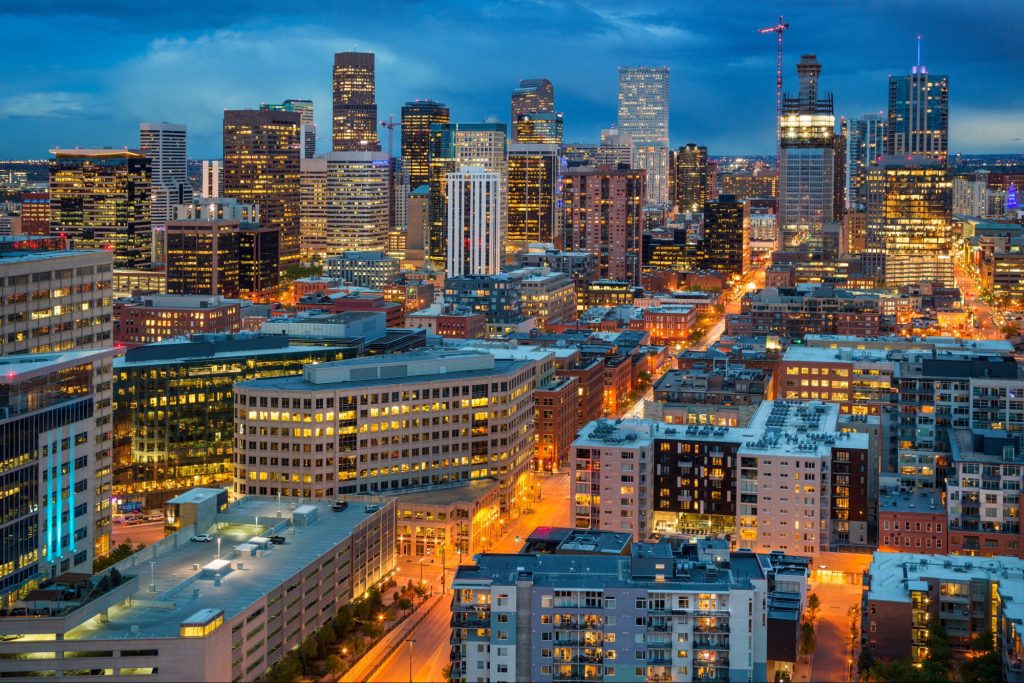
Living in Denver has become increasingly popular over the past decade as people from across the country relocate to Colorado for its outdoor lifestyle, growing economy, and scenic mountain views. Known for its sunny climate, active culture, and access to year-round recreation, Denver offers a unique blend of urban amenities and natural beauty that appeals to professionals, families, retirees, and remote workers alike. However, like any major city, living in Denver comes with both advantages and challenges. Rising housing costs, traffic congestion, and adjusting to the altitude can catch some newcomers off guard. For many residents, though, the lifestyle and opportunities make the move worthwhile. Whether you are considering relocating or simply curious about what daily life in Denver is really like, understanding both the positives and negatives can help paint a clearer picture of what to expect.
Pros of Living in Denver
1. Easy Access to Outdoor Recreation
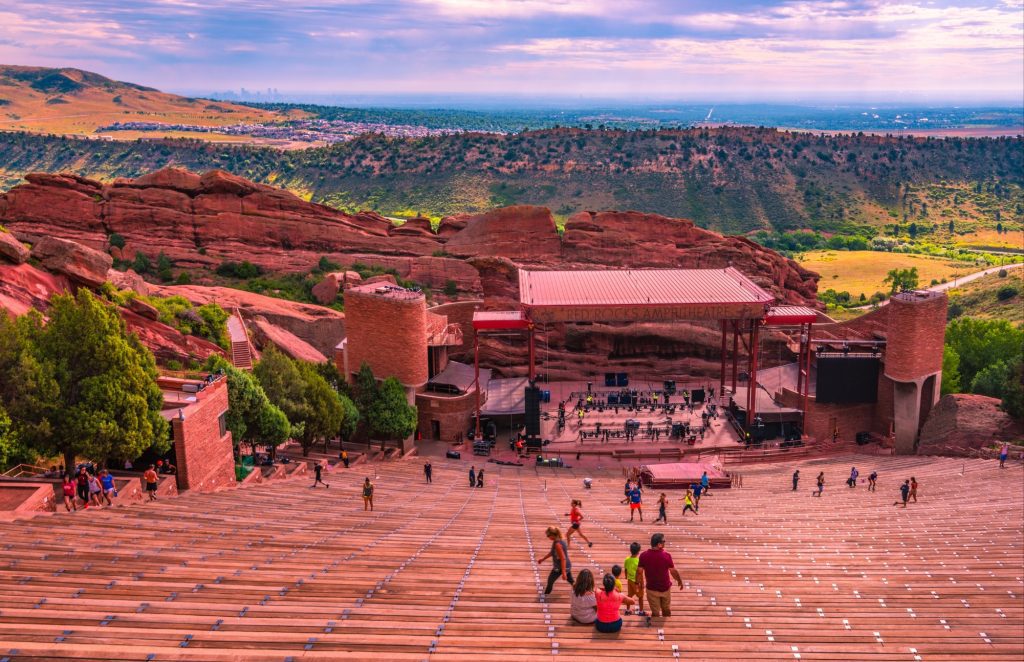
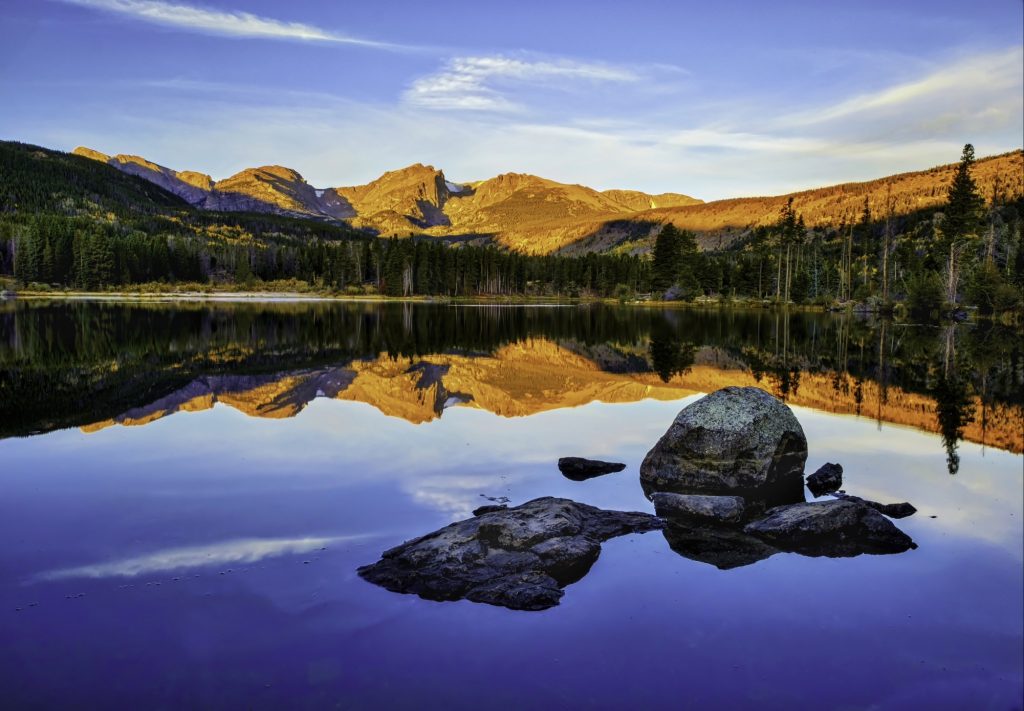
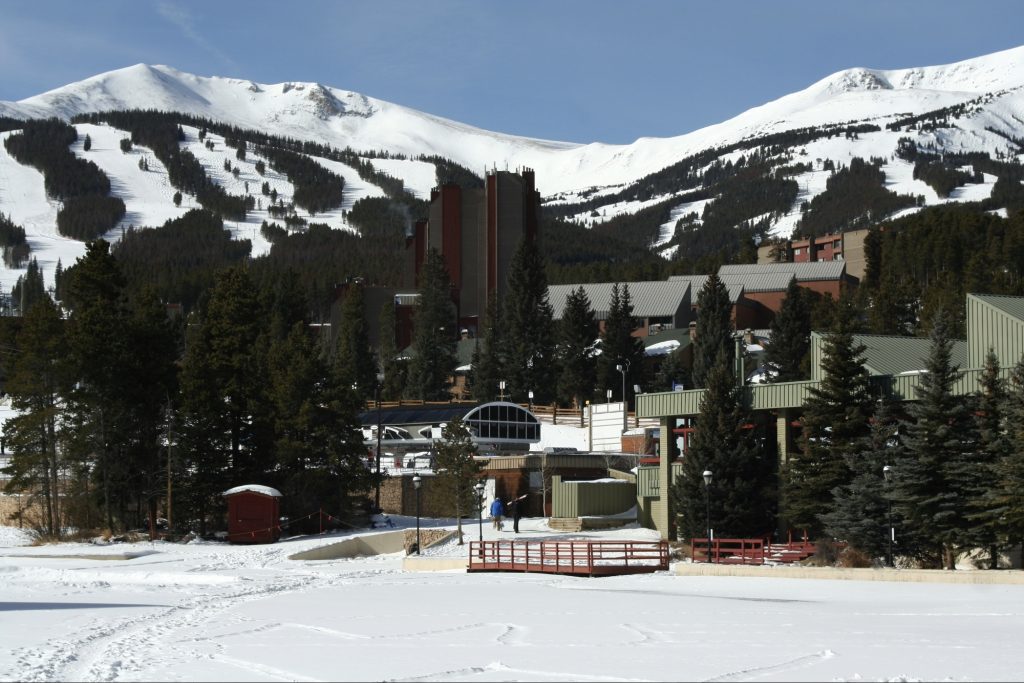
One of the biggest benefits of living in Denver is the incredible access to outdoor recreation in every season. Residents can leave the city and reach hiking trails, mountain towns, lakes, and ski resorts within a relatively short drive. Popular nearby destinations like Red Rocks Park and Amphitheatre, Rocky Mountain National Park, and Cherry Creek State Park give locals opportunities for hiking, biking, kayaking, camping, and wildlife viewing close to home. During winter, many Denver residents take weekend trips to ski resorts such as Breckenridge and Vail, while summer brings mountain biking, rafting, paddleboarding, and scenic drives through the Rockies. Even within the city itself, Denver offers an active outdoor culture with extensive biking trails, urban parks, golf courses, and outdoor fitness events. For people who value adventure, fresh air, and staying active, Denver’s location near the mountains is one of its most appealing features.
2. Strong Job Market and Economic Growth

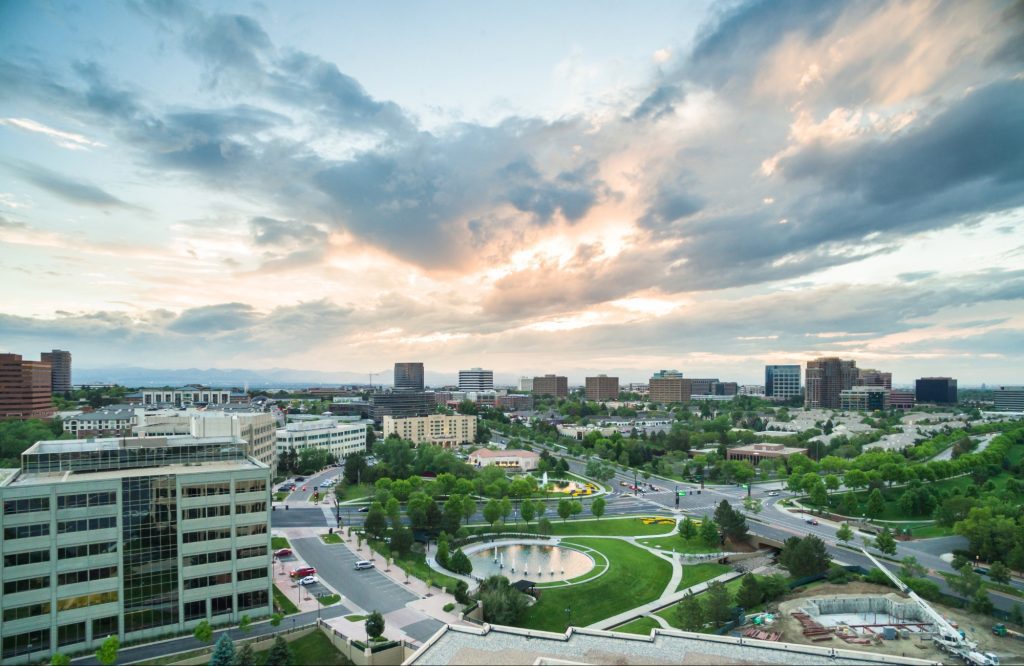
Another major advantage of living in Denver is the city’s strong job market and continued economic growth. Over the past several years, Denver has attracted major employers and startups across industries, including technology, healthcare, aerospace, finance, and renewable energy. Companies such as Lockheed Martin, DaVita, and Arrow Electronics have significant operations in the metro area, helping create a wide variety of employment opportunities. Denver has also become a popular destination for entrepreneurs and remote workers thanks to its growing tech scene and high quality of life. Neighborhoods like RiNo and the Denver Tech Center continue to see new office developments, restaurants, and mixed-use spaces that support business growth and attract young professionals. In addition to strong career opportunities, the city’s expanding economy has helped fuel improvements in entertainment, dining, public spaces, and housing developments throughout the metro area. For many newcomers, Denver offers an appealing balance between career advancement and an active, outdoor-oriented lifestyle.
3. Sunny Weather and Mild Climate
Another reason many people enjoy living in Denver is the city’s sunny weather and relatively mild climate compared to other areas with four distinct seasons. Denver receives more than 300 days of sunshine each year, allowing residents to spend time outdoors year-round. Even during the winter months, bright sunny skies are common, and snow often melts quickly after storms due to the strong Colorado sun. Many newcomers are surprised to see people hiking, biking, golfing, and dining on outdoor patios throughout much of the winter season. Summers in Denver are typically warm but less humid than many parts of the Midwest or South, making outdoor festivals, concerts, and sporting events more comfortable. Residents also enjoy colorful fall foliage in nearby mountain towns and mild spring weather that encourages outdoor activities early in the season. While the weather can change quickly, many people appreciate that Denver offers all four seasons without the long stretches of gloomy skies or extreme humidity found in other parts of the country.
Cons of Living in Denver
1. Rising Cost of Living
One of the biggest challenges of living in Denver is the steadily rising cost of living, particularly when it comes to housing. Over the past decade, Denver’s popularity has driven up home prices and rental costs across much of the metro area, making affordability a concern for many residents. Highly desirable neighborhoods like Cherry Creek, LoDo, Highlands, and Wash Park often come with especially high home prices and competitive rental markets. Many newcomers are surprised by how expensive even smaller apartments and starter homes can be compared to other cities in the region. In addition to housing costs, everyday expenses such as groceries, dining, gas, utilities, and entertainment are often higher than the national average. Outdoor recreation can also add to monthly expenses, especially for residents who regularly purchase ski passes, camping gear, mountain bikes, or other outdoor equipment. While many people feel Denver’s lifestyle and career opportunities justify the higher costs, budgeting carefully is often necessary for those planning to relocate to the area.
2. Traffic and Population Growth
As more people continue moving to Denver and the surrounding metro area, traffic congestion and rapid population growth have become major concerns for many residents. Highways such as I-25, I-70, and C-470 frequently experience heavy traffic during rush hour, weekends, and holiday travel periods, especially when people head into the mountains for skiing, hiking, or camping. Commutes that once took 20 minutes can now take much longer during peak traffic times, particularly for residents traveling between the suburbs of Aurora, Lakewood, and Highlands Ranch and downtown Denver. Many newcomers are surprised by how crowded mountain routes can become on winter ski weekends or summer holiday weekends. Population growth has also increased pressure on infrastructure, parking, schools, and housing throughout the metro area. While Denver offers public transportation through the RTD light rail and bus system, many residents still rely heavily on personal vehicles to get around efficiently. For some people, the growing traffic and busy roads are among the biggest trade-offs that come with Denver’s popularity and economic growth.
3. Dry Climate and High Altitude Challenges
While many people enjoy Colorado’s sunny weather, Denver’s dry climate and high elevation can take some adjustment for new residents. Denver sits approximately 5,280 feet above sea level, and many newcomers experience altitude-related symptoms such as headaches, dehydration, shortness of breath, fatigue, or dizziness during their first few weeks in the city. Everyday activities like hiking, exercising, climbing stairs, or even drinking alcohol can feel more intense at higher elevations. The dry air can also cause chapped lips, dry skin, nosebleeds, and dehydration, especially during the winter months. Many residents quickly learn the importance of drinking more water, using moisturizer, wearing sunscreen, and running humidifiers inside their homes. In addition, Denver’s dry conditions can contribute to seasonal wildfire smoke and higher pollen levels, which may worsen allergies or respiratory issues at certain times of the year. Although most people eventually adapt to the climate and altitude, these environmental factors are often among the biggest surprises for people relocating to Denver from lower elevations or more humid regions.
What Surprises New Denver Residents Most
1. The Weather Changes Quickly
One of the biggest surprises for people moving to Denver is how quickly the weather can change throughout the day and across different seasons. It is not uncommon for residents to experience sunshine, rain, wind, and even snow within the same 24-hour period, especially during the spring and fall months. A warm, sunny morning can quickly turn into an afternoon thunderstorm or a sudden temperature drop by evening. Snowstorms can also arrive unexpectedly, even after mild weather, and many newcomers are surprised to see snow melt the next day under bright sunshine. Because of these rapid weather shifts, locals often dress in layers and keep jackets, sunglasses, umbrellas, and water bottles in their vehicles year-round. Denver’s location near the Rocky Mountains plays a major role in these unpredictable conditions, as mountain weather systems can move across the Front Range very quickly. While many residents eventually grow to enjoy the variety, adjusting to Denver’s fast-changing weather patterns can take some time for newcomers unfamiliar with Colorado’s climate.
2. The Altitude Affects Everyday Activities
Another major surprise for people moving to Denver is how much the high altitude impacts everyday life, even during routine activities. Sitting at roughly 5,280 feet above sea level, Denver’s thinner air means there is less oxygen available, which can affect energy levels, breathing, and physical performance. Many newcomers notice that simple tasks like climbing stairs, walking long distances, or carrying groceries feel more tiring during their first few weeks in the city. Exercise is often more challenging at altitude as well, with activities such as running, hiking, or cycling causing fatigue more quickly than expected. Even recreational experiences can feel different: for example, drinking alcohol at bars or social gatherings can have a stronger effect than at lower elevations, and people often find they become intoxicated more quickly. Some visitors also experience short-term symptoms such as headaches, dehydration, or lightheadedness as their bodies adjust. While most residents eventually acclimate and no longer notice the difference, the impact of Denver’s altitude on everyday activities is something many newcomers underestimate before moving to the area.
3. Denver Feels More Outdoorsy Than Urban

Many people moving to Denver are surprised by how strongly the city’s culture revolves around the outdoors, often feeling more like an adventure hub than a traditional big-city environment. While Denver has a growing downtown skyline, breweries, and restaurants, daily life is heavily influenced by nearby mountains and outdoor recreation. It is common for coworkers and neighbors to spend weekends hiking trails in places like Chautauqua Park, skiing at resorts such as Keystone Resort, or mountain biking along the Front Range. Even within the city, residents frequently gather in parks like City Park and Washington Park, and along the Cherry Creek Trail, for running, biking, yoga, and picnics. New residents often notice that conversations quickly turn to outdoor plans, ski conditions, or hiking recommendations rather than traditional nightlife or entertainment topics. Outdoor gear, such as hiking boots, ski jackets, and bikes, is also much more common in everyday fashion than in many other large cities. This strong outdoor lifestyle can be unexpected for newcomers who initially expect a more conventional urban experience, but it quickly becomes one of the defining features of living in Denver.
4. Sunshine Makes Winters Feel Different

One of the most surprising aspects of living in Denver is how much the abundant sunshine changes the way winter feels compared to other cold-weather cities. Even though Denver receives regular snowfall during the winter months, the city also enjoys frequent bright, sunny days that make the cold feel less intense and more manageable. It is not unusual for residents to wake up to a fresh layer of snow in the morning and still see clear blue skies and melting sidewalks by the afternoon. This combination encourages people to stay active outdoors year-round, whether it is walking through neighborhoods, sitting on restaurant patios with heaters, or heading to nearby parks like Sloan’s Lake Park for a winter stroll. Many newcomers are surprised to see locals wearing sunglasses and light jackets on days that would feel too cold or gray in other parts of the country. The frequent sunshine also makes seasonal winter blues less common for some residents, as bright skies are a consistent part of daily life even during colder months. This contrast between snow-covered scenery and sunny weather is one of the unique characteristics that often changes expectations for people moving to Denver.
Is Denver the Right Fit for Your Next Chapter?
For many people, living in Denver offers an exciting mix of outdoor adventure, career opportunities, sunshine, and an active lifestyle that is difficult to find elsewhere. While the city certainly has challenges, including higher living costs and growing traffic, many residents feel the benefits outweigh the drawbacks. Newcomers are often surprised by Denver’s fast-changing weather, altitude adjustments, and outdoors-focused culture, but these unique characteristics are also part of what gives the city its personality. Whether someone is moving to Denver for work, recreation, or a fresh start, taking time to understand the realities of daily life can help make the transition smoother and more enjoyable. When you are ready to begin your home search in the Denver area, contact RE/MAX Professionals for expert guidance and local market knowledge to help you find the perfect place to call home.