


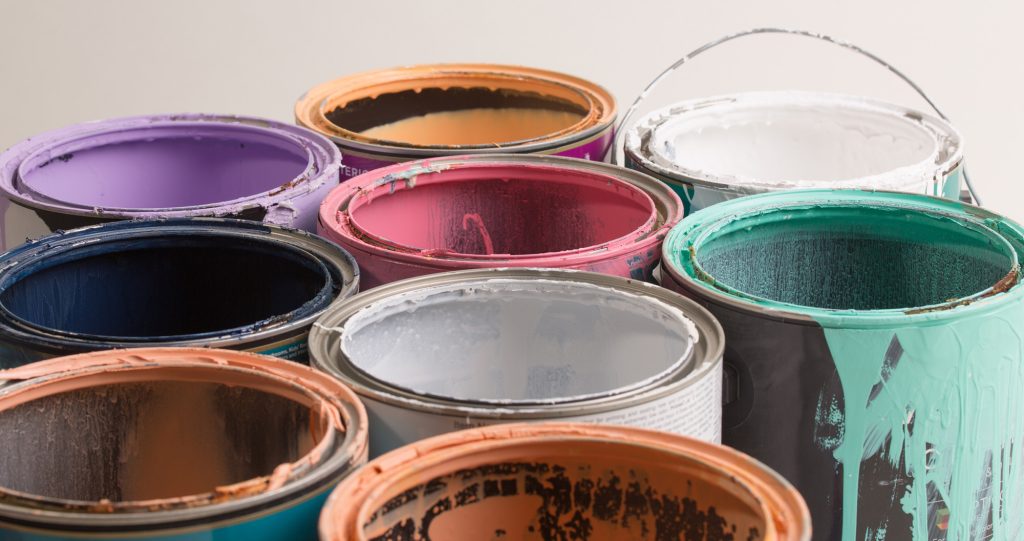
Anyone who’s taken on a home renovation or weekend DIY project knows how easy it is to wind up with half-filled paint cans gathering dust in the garage. Not everyone knows, however, that all that leftover paint can be reused, recycled into new paint, or properly disposed of through PaintCare. Denver has become a leading city for paint recycling and reuse, offering residents simple, meaningful ways to keep paint out of landfills and put it to work in the community instead.
Why Recycling Paint Matters
When unused paint is collected and recycled into new paint, it uses existing materials, saving energy and reducing the need for new raw materials. However, reuse, as in giving away, selling, and/or using up, is the preferred way to manage leftover paint as it requires fewer resources than other options. In other words, every gallon reused or recycled is a gallon that doesn’t need to be produced from scratch.
On a community level, proper paint disposal helps Denver maintain cleaner neighborhoods, healthier air and water, and more sustainable waste practices. It also supports local recycling initiatives and creates usable products that go right back into homes, nonprofits, and businesses in Denver and throughout Colorado. Choosing to recycle paint is a small individual action, but multiplied by thousands of households, it becomes a powerful force for good.
Drop Off Leftover Paint at PaintCare Sites

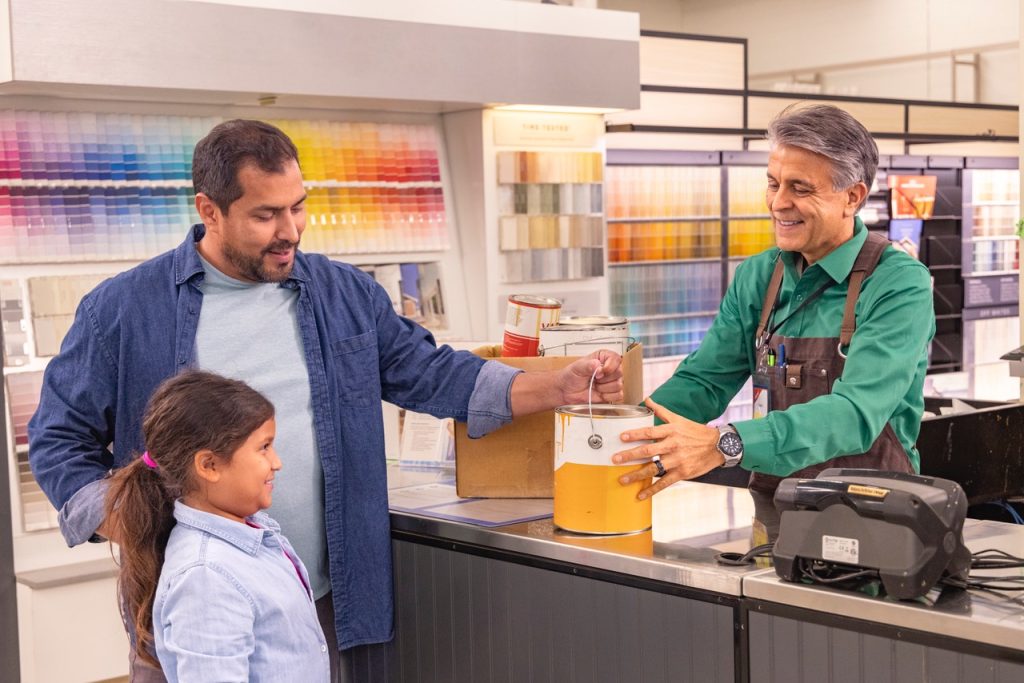
One of the easiest and most effective ways for Denver residents to deal with extra paint is by taking advantage of PaintCare drop-off sites located throughout the metro area. PaintCare is a statewide stewardship program funded by a small fee included in every new paint purchase. That means customers have already paid into a system designed to ensure leftover paint is collected, sorted, and put to good use.
The program includes more than 200 drop-off locations across Colorado, with dozens clustered throughout Denver, Aurora, Lakewood, Boulder, and beyond. These sites are as convenient as your everyday errands: hardware stores, paint retailers, and Household Hazardous Waste facilities. Most accept both latex and oil-based paints, stains, and varnishes, provided they’re sealed and in original containers. At no cost, you can walk in with one to five cans, though some sites accept more. It is recommended to call ahead to ensure a drop-off site can accept the type and quantity of paint you have.
Once collected, PaintCare partners transport the products to processing facilities where the paint is sorted and evaluated. If it is not suitable for reuse, usable latex and oil-based paint are usually recycled through differing methods. Latex paint is combined with other paint of similar makeup, mixed to create a range of colors, and adjusted as needed with recycled or new paint. The recycled paint is then sold back into the community at a much lower cost than new paint, offering an economical alternative to the public. Oil-based paint and unusable materials are turned into fuel or disposed of responsibly. It’s a best-case scenario: households clear out clutter, waste is prevented from entering landfills, and valuable materials re-enter the supply chain instead of being lost.
For anyone who’s ever stared at a shelf of half-full cans and wondered what to do with them, PaintCare offers a simple, responsible, and locally impactful solution. A five-minute stop can make a significant difference, one gallon at a time.
Donate Usable Paint to Community Groups

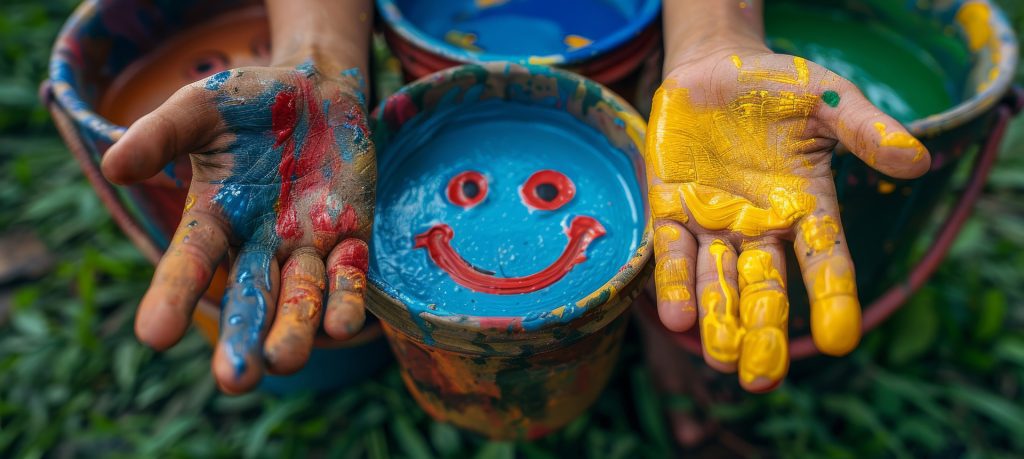
Another meaningful way to give leftover paint a second life is by donating it directly to organizations that serve the Denver community. Many nonprofits, schools, youth centers, and arts programs operate on minimal funding, and a fresh coat of paint can go a long way toward transforming their spaces. What might be an extra quart sitting in your garage could brighten a classroom, revitalize a community theater set, or help a local shelter feel more welcoming and dignified for those who rely on it.
Schools and youth programs are especially eager for donated paint, often using it for murals, hallways, stage backdrops, scenery, or student-led art initiatives. Community theaters and maker spaces can stretch their budgets significantly when they have free access to materials. Even faith-based organizations, recreation centers, scout troops, and after-school clubs frequently manage building updates and improvement projects on a volunteer-driven basis, and donated paint helps them invest more in services and less in supplies.
Before you donate, it’s essential to make sure your paint is still in good condition. Latex paint should be less than 10 years old and free of lumps or foul odors, and cans must be sealed tightly with the label intact. Reach out to the organization first to confirm what they can use. Some prefer interior paint only, others may need primer or neutral shades, and many will gladly take partial gallons for art projects. If you’re unsure where to start, local school districts, Habitat for Humanity ReStores, and community beautification programs are great places to inquire. You can also find reuse sites near you by using PaintCare’s drop-off site locator and choosing the reuse filter.
Donating paint multiplies value while reducing waste. What was once leftover becomes a shared resource that supports learning environments, empowers creativity, and enhances community spaces across Denver. By choosing to pass paint along instead of discarding it, residents contribute to a cycle of sustainability and generosity that strengthens the arts, education, and neighborhood spirit throughout the Denver metro area.
Join or Host a Paint Swap
Paint swaps are taking off across Denver as neighbors embrace creative, community-driven ways to reduce waste, and they’re surprisingly easy to participate in. A paint swap is exactly what it sounds like: a place where people can drop off paint they no longer need and pick up colors or quantities that someone else is happy to pass along. These swaps are perfect for touch-up jobs, small projects, or artistic ventures where you don’t need (or want to buy) a full gallon. Instead of purchasing brand-new paint and storing the leftovers, you give an existing product a second chance to shine.
If your neighborhood hasn’t organized a swap yet, hosting one is incredibly doable. A few folding tables, a driveaway, or a park shelter can serve as the venue. Set clear guidelines, like paint must be sealed, usable, and under a certain age, participants should label colors and finishes. You can promote the event through neighborhood apps like Nextdoor, HOA newsletters, local Facebook groups, or even a shared Google Sheet for porch-drop exchanges. Partnering with a school art class, scout troop, or a local beautification committee can help broaden participation and amplify the impact.
Paint swaps create a ripple effect far beyond the exchange itself. They build community connections, reduce unnecessary shopping trips, and spark creativity by making paint accessible to more residents, including those who may not have the budget for new supplies. Ultimately, they’re a fun, low-cost, low-effort way to keep perfectly good paint circulating within Denver rather than wasting away on storage shelves.
Turn Old Paint Into DIY Projects

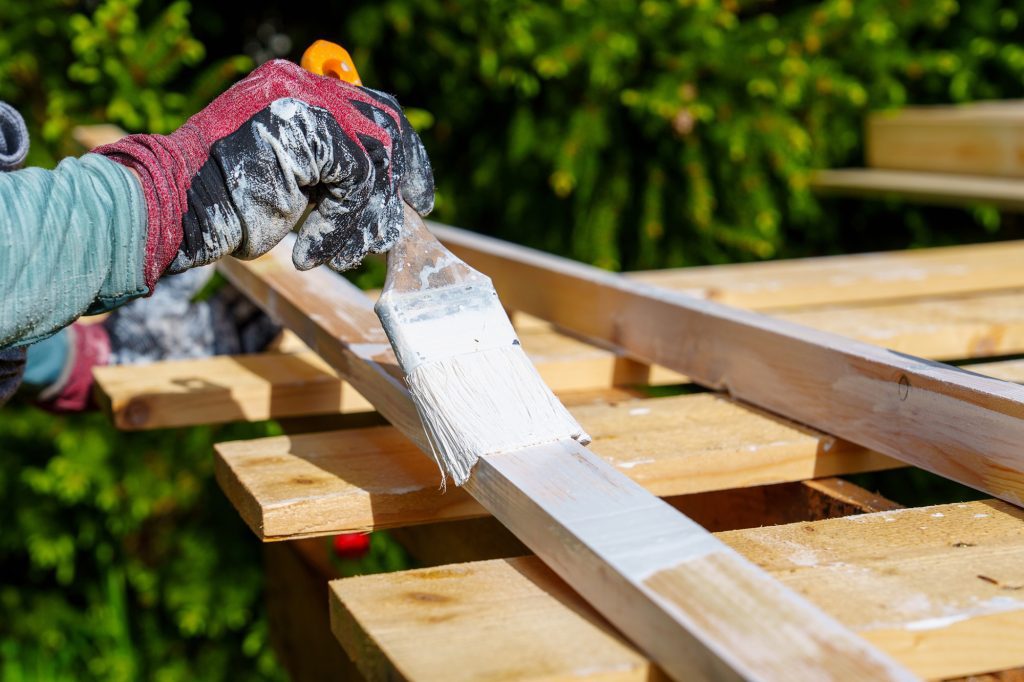
Leftover paint doesn’t need to sit on a storage shelf waiting for the next home remodel, when it can become the star of countless creative projects. Many Denver residents are discovering that even small amounts of paint can make a big visual impact when used thoughtfully around the house or in the neighborhood. From refreshing a thrifted bookcase to giving a weathered patio planter a new personality, a splash of color can transform tired objects into statement pieces. These small-scale projects not only help minimize waste, but they also make home décor feel more personal, budget-friendly, and uniquely yours.
DIY enthusiasts often take paint reuse a step further by experimenting with color mixing. Partial cans of neutral or complementary shades can be blended to create entirely new hues, perfect for accent walls, trim, or furniture pieces that need just enough coverage. Mixing also opens the door to chalk paint, distressed finishes, and faux textures, breathing new life into coffee tables, cabinets, frames, and doors without purchasing new materials. Handy with a brush? You can stencil geometric patterns, upgrade cabinets, paint terracotta pots, or add a touch of color to outdoor fencing, garden decor, or porch railings.
Creative reuse extends well beyond home décor. Artists and hobbyists regularly rely on reclaimed paint for everything from canvas work to murals, public art installations, and seasonal craft projects. Neighborhood organizations often welcome volunteers to help brighten community gardens, transform bland utility boxes into art, or refresh playground equipment, all of which may use leftover latex paint. Kids’ craft days, maker labs, and DIY gift projects are other ways small amounts of paint can be enjoyed instead of thrown out.
Every reused can represents saved money and a responsible choice that reduces the need for new resources and keeps usable paint out of landfills. Whether you’re an experienced DIYer or a curious beginner, that half-empty gallon in your garage might just be the secret ingredient for your next weekend project.
Check Local Guidelines Before Disposal
Even with the best intentions, there will be times when paint can’t be reused or donated. Denver’s Solid Waste Management program, local Household Hazardous Waste facilities, and PaintCare drop-off sites provide clear instructions on what they will accept and how much you can bring. Some locations require appointments or limit quantities, while others operate year-round for both residents and small businesses. It’s always worth checking the latest requirements on city or county waste management websites before heading out, as rules can vary slightly between Denver, Aurora, Jefferson County, and other Front Range communities.
Taking the time to handle leftover paint responsibly ensures that leftover paint is managed in the best way possible. It’s a simple step that helps keep Denver’s air, water, and landscapes clean for generations to come.
Color Denver Beautiful One Leftover Can at a Time
Leftover paint may seem like a small nuisance, but when Denver residents rethink how they handle every drop, those cans become an opportunity instead of a burden. Whether you donate to a neighborhood school, drop off at a PaintCare site, share at a paint swap, or transform it through art and DIY projects, you’re helping reduce waste and support the community. Together, these simple actions ripple outward, brightening homes, fueling creativity, supporting organizations, and protecting the ecosystem that makes the Mile High City such a vibrant place to live. So, before you toss out that can of paint hiding in the garage, imagine where its color could go next, and let it live a second life.